

Do you know these household fuse troubleshooting tips?
1. What is a Fuse?
A fuse is a simple but important safety device installed in your home's electrical panel. It contains a thin metal strip or wire designed to melt and break the circuit when excessive current flows. This “blown fuse” cuts off power to a specific circuit, preventing overheating, electrical fires, or damage to appliances. Fuses are commonly found in older homes, while modern systems often use circuit breakers (MCBs) or residual current devices (RCDs) for similar protection.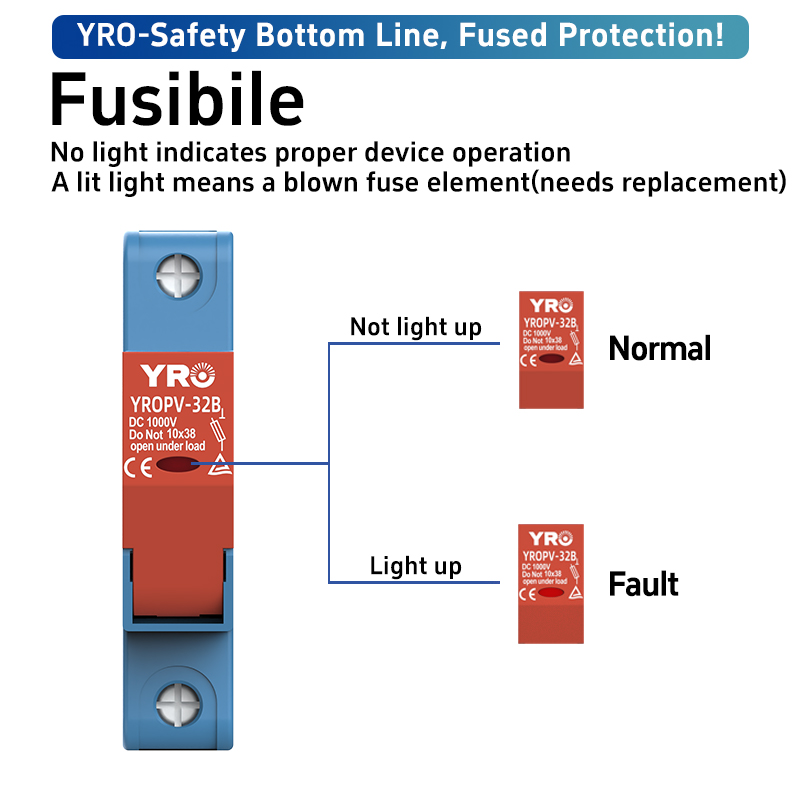
2. Common Causes of Fuse Failure
Understanding why fuses blow helps prevent recurring issues:
· Circuit Overload: Plugging too many high-power appliances (e.g., microwaves, heaters, kettles) into one circuit draws more current than the fuse can handle.
· Short Circuit: Occurs when live wires accidentally touch, causing a sudden surge that instantly blows the fuse. Signs include burnt smells or blackened outlets.
· Ground Fault: Similar to a short circuit, but involves a live wire contacting a ground wire or metal casing—common in damp areas like kitchens or bathrooms.
· Aging or Damaged Wiring: Worn insulation, loose connections, or corroded wires can cause intermittent faults.
· Faulty Appliances: A defective device (e.g., a washing machine with internal damage) may draw abnormal current and trip the fuse.
Note: Frequent fuse replacements indicate an underlying problem—such as overloaded circuits or faulty wiring—that requires professional inspection.
3. How to Conveniently Check if a Fuse is Faulty?
Follow these safe and practical steps to diagnose a blown fuse:Step 1: Ensure Safety First· Turn Off Main Power: Switch off the main supply at the electrical panel to avoid shock.
· Use Protective Gear: Wear insulated gloves and safety glasses if inspecting the fuse box closely.Step 2: Locate the Blown Fuse· Check for Localized Blackout: If only one part of your home loses power (e.g., lights in a single room), the corresponding fuse is likely blown.
· Visual Inspection:
o Glass Fuses: Look for a melted metal ribbon, cloudy/foggy glass, or dark discoloration inside.
o Cartridge Fuses: Check for charring or broken filaments.
o Circuit Breakers: Identify any switches in the “OFF” position or misaligned with others.Step 3: Use Testing Tools (Optional but Accurate)· Multimeter Test: Set to continuity mode; touch probes to each end of the fuse. A beep or low resistance means it’s functional; no signal indicates a blown fuse.
· Dedicated Fuse Tester: Insert the fuse into the tester—a green LED lights up for a good fuse.
· Replacement Test: Swap the suspect fuse with a new one of identical rating. If power restores, the old fuse was faulty.Step 4: Identify the Root Cause· Unplug Appliances: Disconnect all devices on the affected circuit before replacing the fuse.
· Restore Power Gradually: After replacing the fuse, turn on appliances one by one to pinpoint if a specific device triggers another blow.
4. Summary
Household fuse troubleshooting can be straightforward if approached safely and methodically. First, recognize common causes like overloads, short circuits, or faulty appliances. Second, always prioritize safety by shutting off the main power before inspection. Third, use visual checks or simple tools (multimeter, fuse tester) to confirm a blown fuse. Finally, replace the fuse with an identical type and rating, and monitor the circuit to ensure the problem doesn’t recur.
For persistent issues—such as frequent tripping, burning smells, or sparks—contact a licensed electrician immediately. Regular electrical maintenance and avoiding circuit overloads are key to preventing fuse failures and ensuring home safety.
Need professional help or quality fuse products? Explore our certified electrical solutions for homes and renewable energy systems.